
Research

The Battle of Probiotics and Their Derivatives Against Biofilms

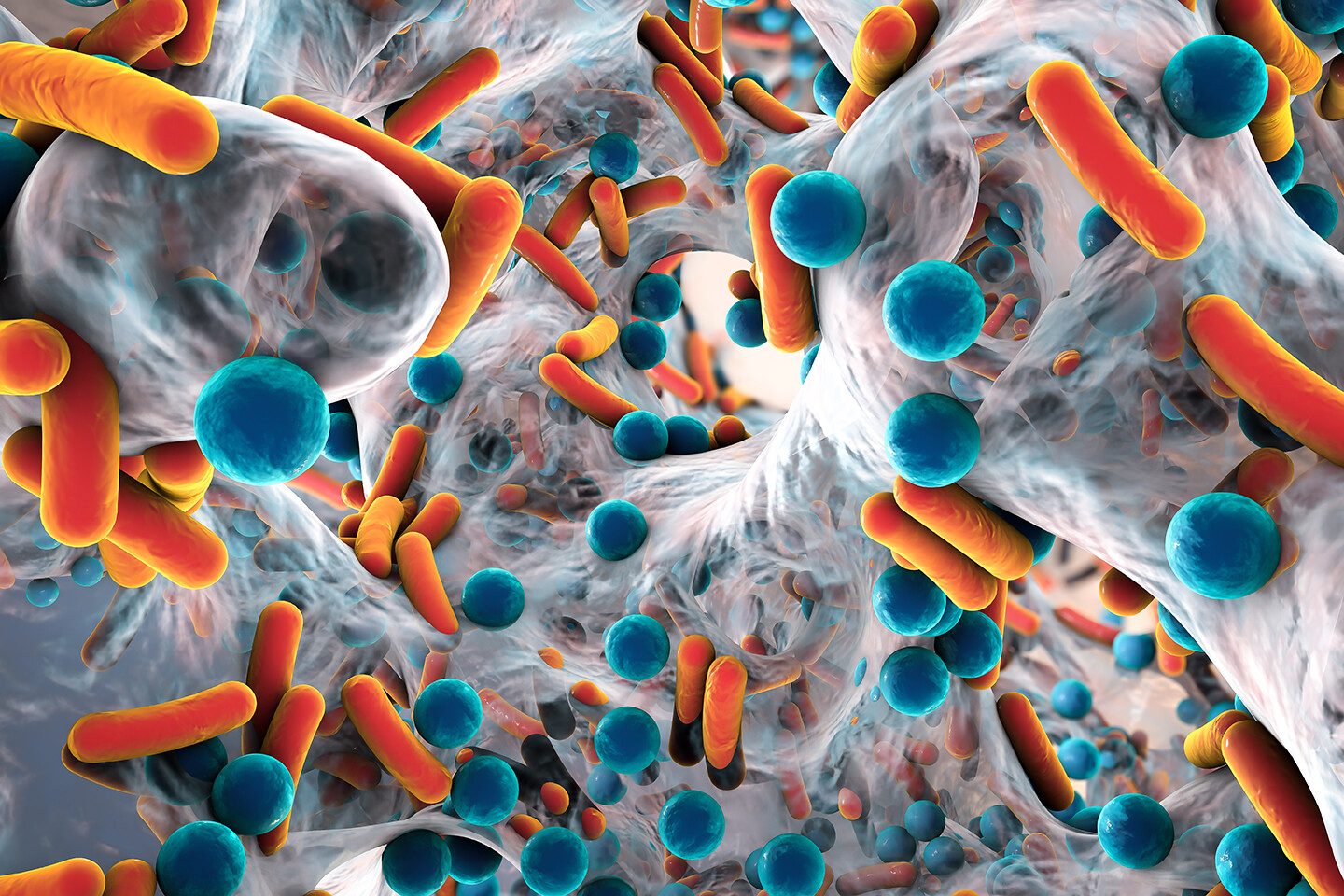
The Battle of Probiotics and Their Derivatives Against BiofilmsAbstractBiofilm-related infections have been a major clinical problem and include chronic infections, device-related infections and malfunction of medical devices. Since biofilms are not fully available for the human immune system and antibiotics, they are difficult to eradicate and control; therefore, imposing a global threat to human health. [READ MORE]
Can probiotic cleaning solutions replace chemical disinfectants in dental clinics?

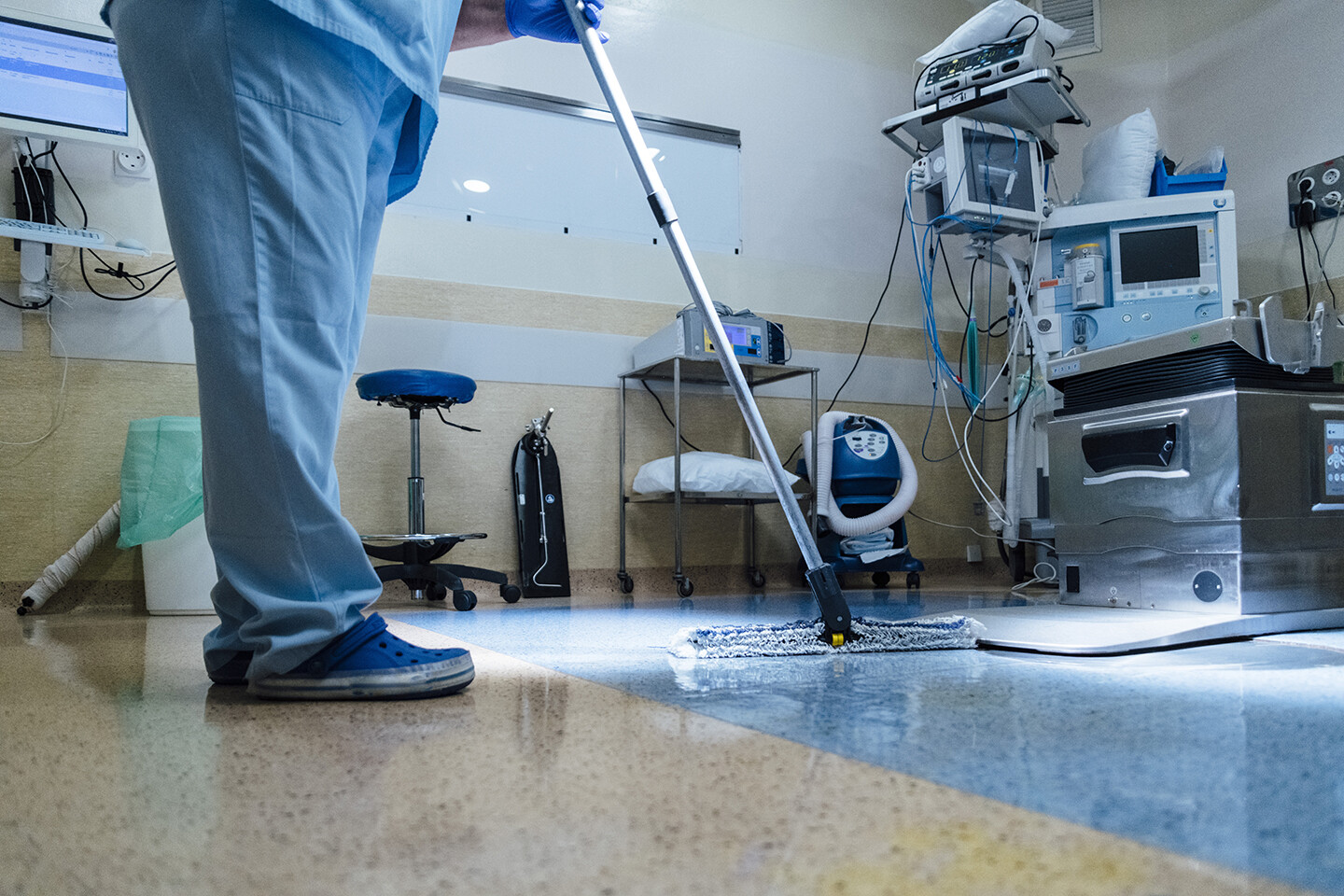
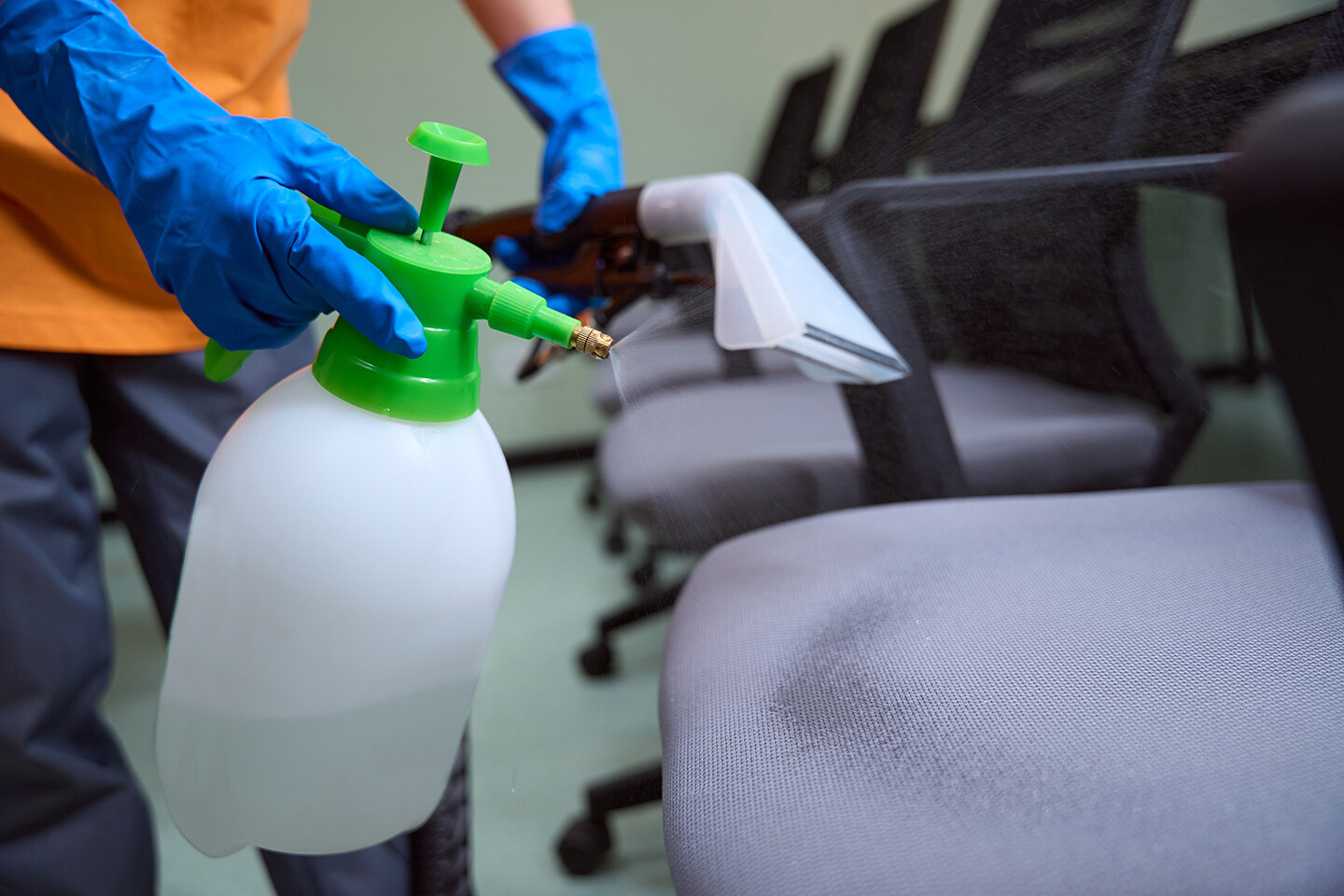
Research Objectives: We aim to assess the antibacterial effectiveness of probiotic cleaning in a dental clinic at the University Dental Hospital Sharjah (UDHS), UAE. Materials and Methods: The current cleaning protocol of UDHS was evaluated by the surface swabbing of three dental clinics routinely cleaned using regular chemical disinfectants. Then, a new probiotic cleaning [READ MORE]

Science about the effectiveness of probiotic cleaners and long-term results

The problem of hospital infections Hospital-acquired infections are one of the most common health problems: patients need to stay in hospital for longer, spend more money on treatment, national health budgets suffer, limiting the use of modern, other procedures or methods. The study was conducted in Italy, where it is estimated that hospital infection [READ MORE]

Probiotics are a sustainable, green alternative to the chemical disinfectants

Limitations of surface disinfection Contaminated environmental surfaces act as reservoirs of microorganisms (Hota B, 2004), which include several health-related pathogens (disease-causing microorganisms). As a result, contaminated surfaces can influence the incidence of infections in healthcare settings. It is one of the most common complications in health care facilities worldwide (Allegranzi B, 2010, Cookson B, [READ MORE]

Use of Potential Probiotic Lactic Acid Bacteria (LAB) Biofilms to Reduce Biofilms

Abstract - Use of Potential Probiotic Lactic Acid Bacteria (LAB) Biofilms for the Control of Listeria Monocytogenes, Salmonella Typhimurium, and Escherichia coli O157:H7 Biofilms Formation Use of probiotic biofilms can be an alternative approach for reducing the formation of pathogenic biofilms in food industries. The aims of this study were (i) to evaluate the [READ MORE]

Hard Surface Biocontrol in Hospitals Using Microbial-Based Cleaning Products

Abstract – US National Library of Medicine. National Institute of Health Background Healthcare-Associated Infections (HAIs) are one of the most frequent complications occurring in healthcare facilities. Contaminated environmental surfaces provide an important potential source for transmission of many healthcare-associated pathogens, thus indicating the need for new and sustainable strategies. Aim This study aims to [READ MORE]

The Skin Biome

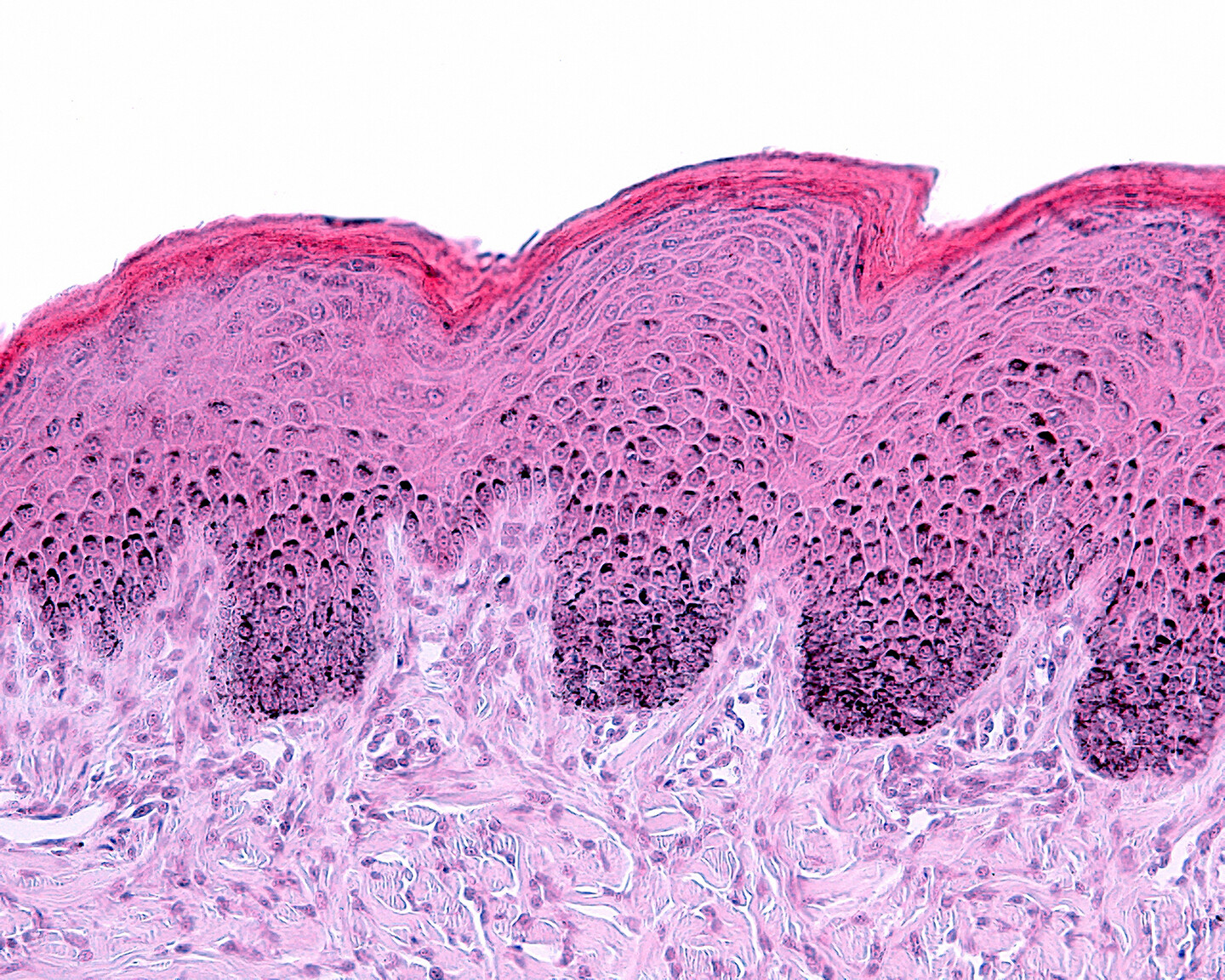
Abstract - US National Library of Medicine & National Institutes of Health By: Elizabeth A. Grice and Julia A. Segre The skin is the human body’s largest organ, colonized by a diverse milieu of microorganisms, most of which are harmless or even beneficial to their host. Colonization is driven by the ecology of the skin surface, [READ MORE]

How Fatal Biofilms Form

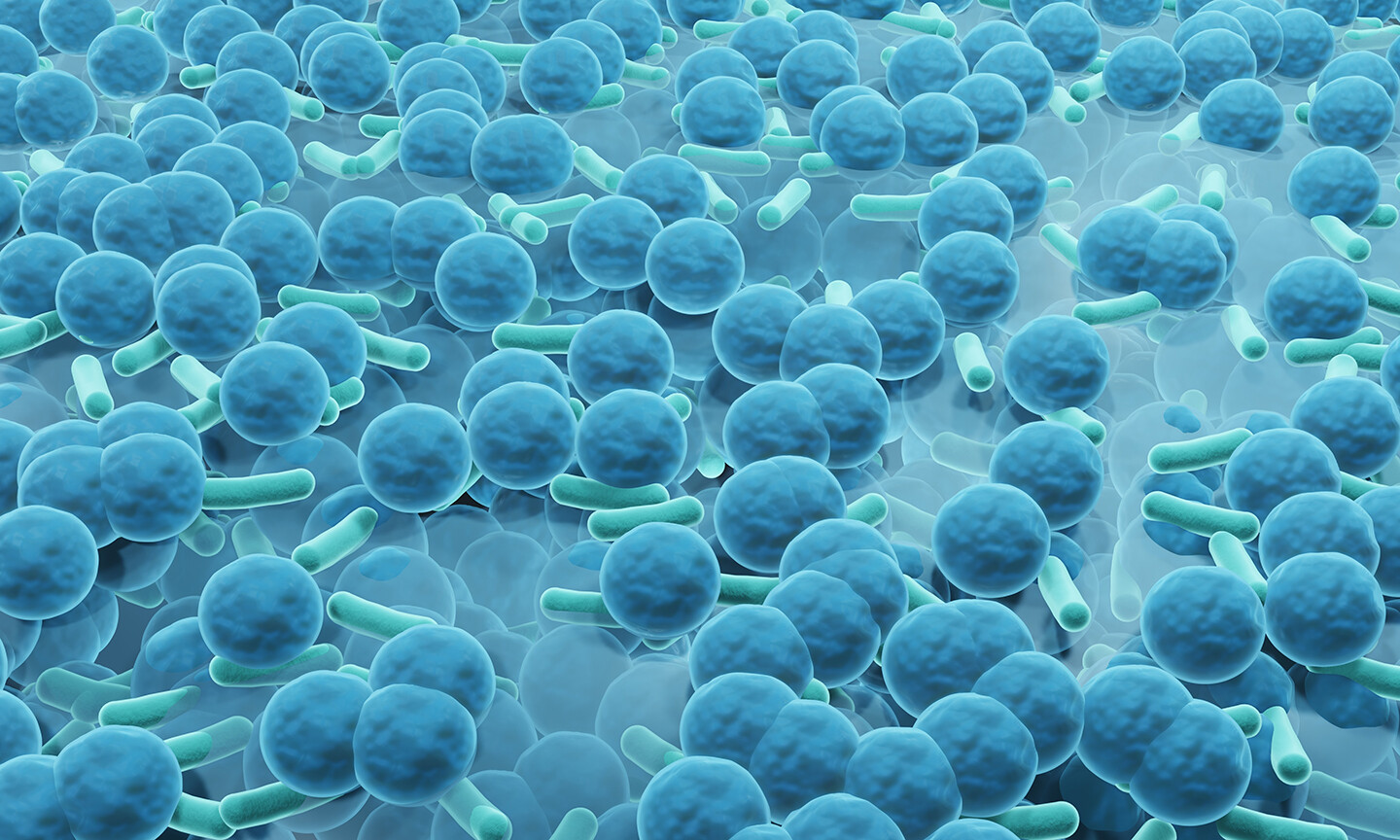
How Fatal Biofilms Form SOURCE: Yale University. "How fatal biofilms form." ScienceDaily. ScienceDaily, 5 October 2018. By severely curtailing the effects of antibiotics, the formation of organized communities of bacterial cells known as biofilms can be deadly during surgeries and in urinary tract infections. Yale researchers have just come a lot closer to understanding [READ MORE]

Go to Top